History
Wangkuntila-Aldinga Conservation Park
On 28 August 2025, a new conservation park for South Australia was proclaimed in The South Australian Government Gazette. The proclamation, titled The National Parks and Wildlife (Aldinga Conservation Park - Alteration of Name) Proclamation 2025, declared that “The name assigned to the Aldinga Conservation Park is altered to Wangkuntila-Aldinga Conservation Park.” (South Australian Government Gazette, No 49, 28 August 2025, p 3609). The total area of the park is now approximately 340 ha.
Aldinga Conservation Park
On 20 January 2022, a proclamation in The South Australian Government Gazette advised that the name of the conservation area designated as Aldinga Scrub Conservation Park since 1985 was altered to Aldinga Conservation Park, with the new park extending to include much of the land known as the Aldinga Washpool. (South Australian Government Gazette, No 5, 20 January 2022, p 91)
The creation of the Aldinga Conservation Park brought together 2 separate, but ecologically connected, parcels. Norman Road runs between the 2 sections of the park, with the northern section being known as Aldinga Scrub, and the southern section being known as the Aldinga Washpool.
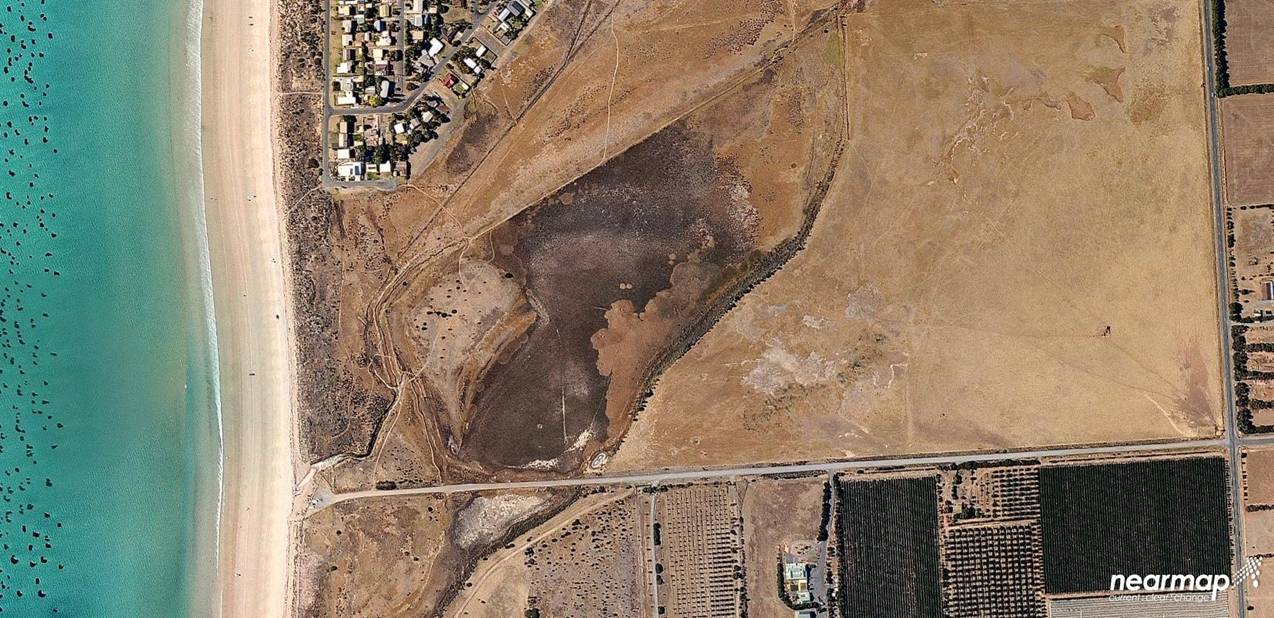
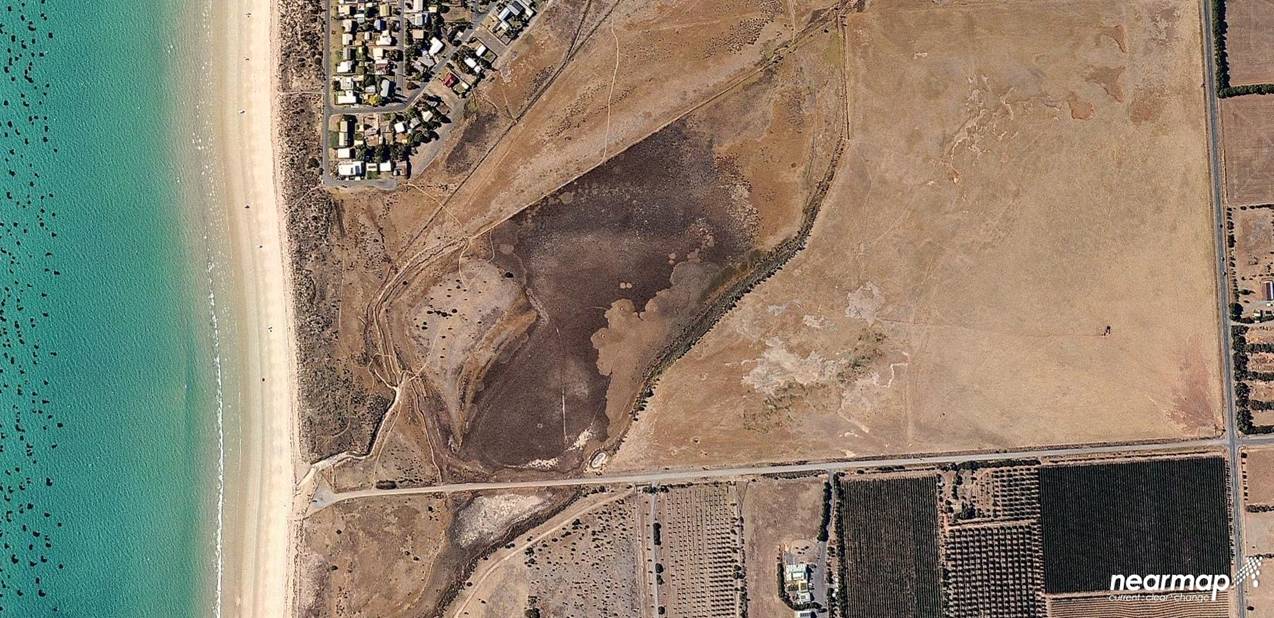
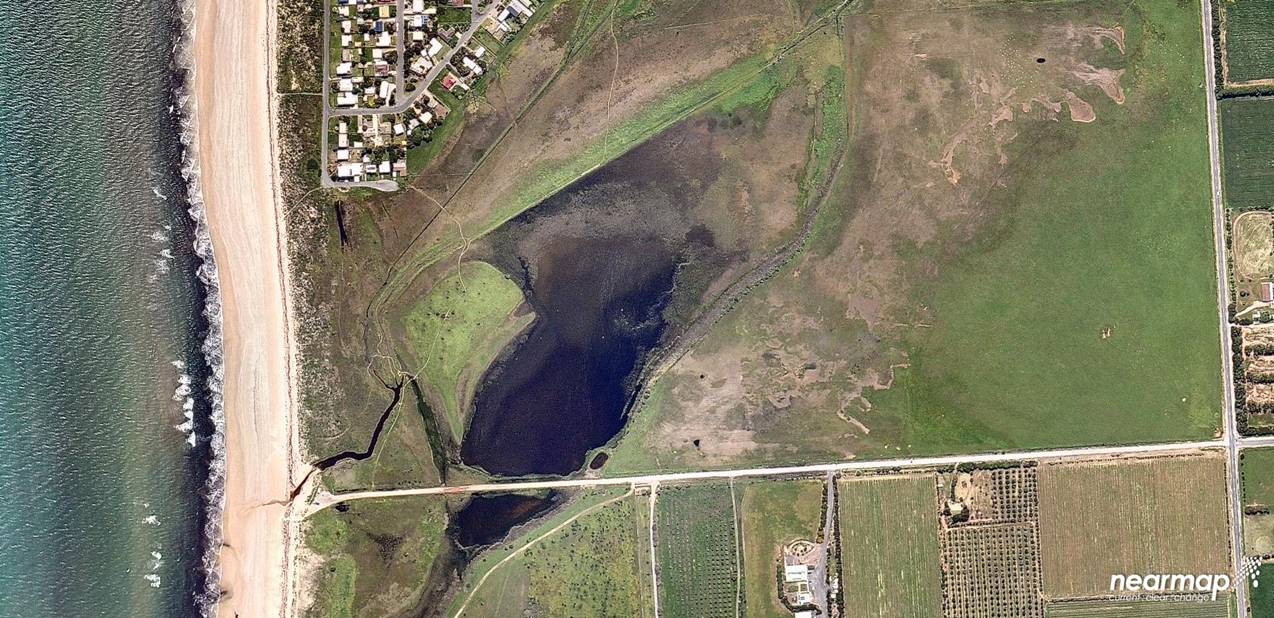
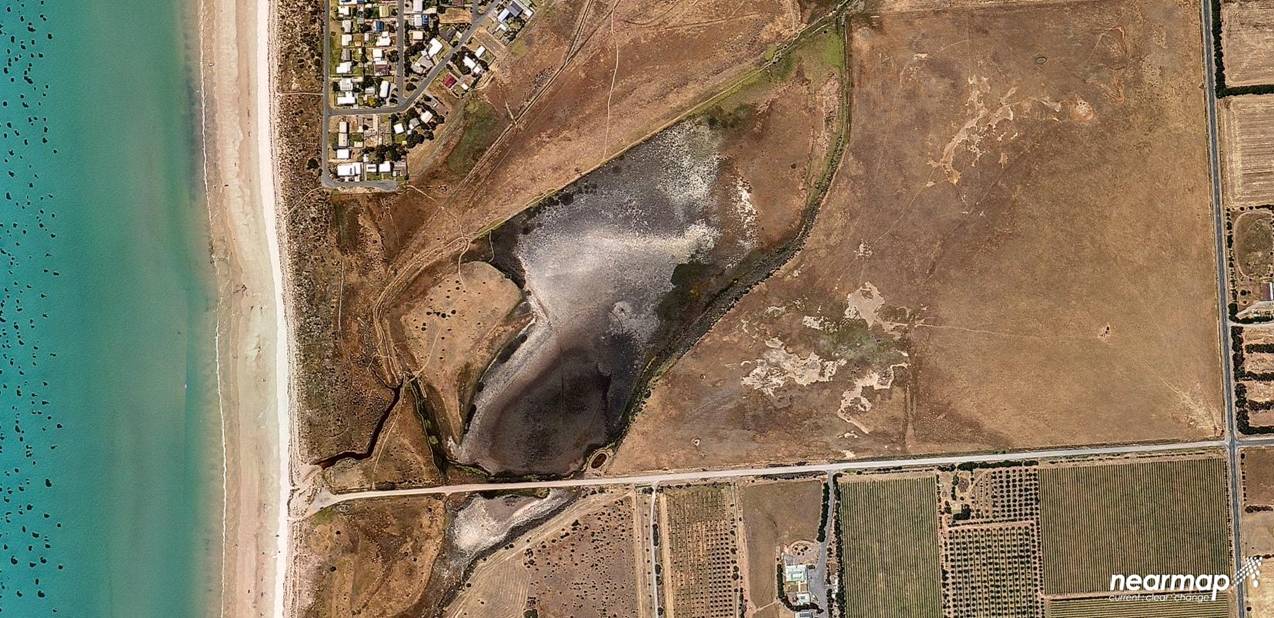
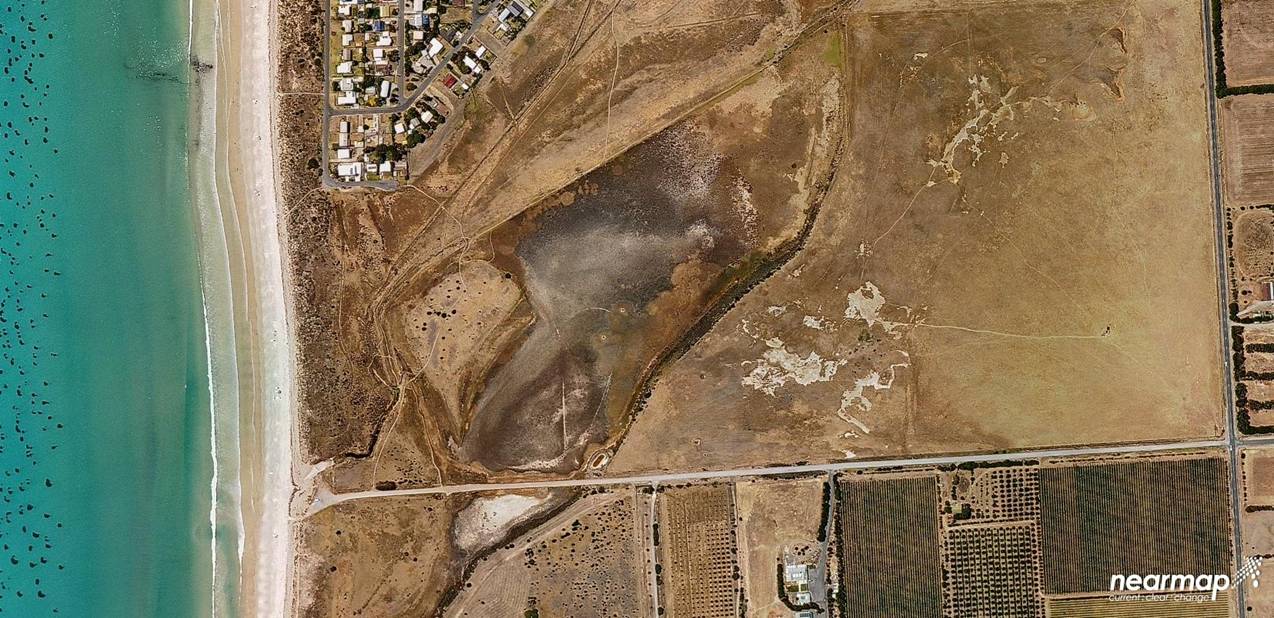
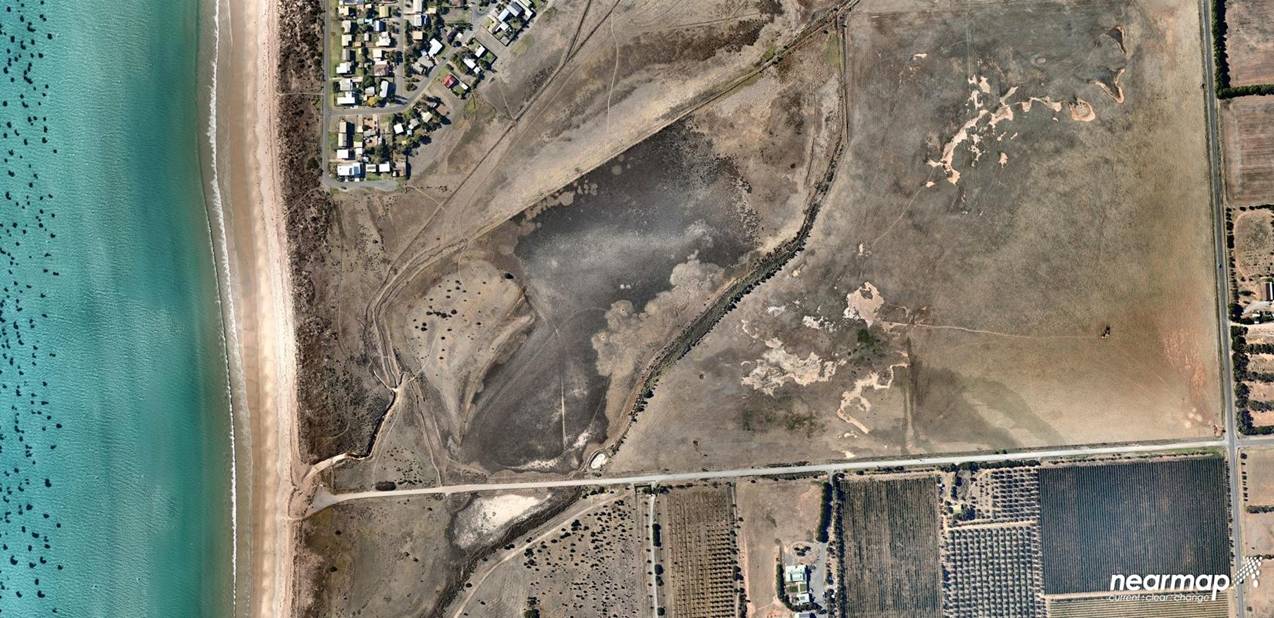
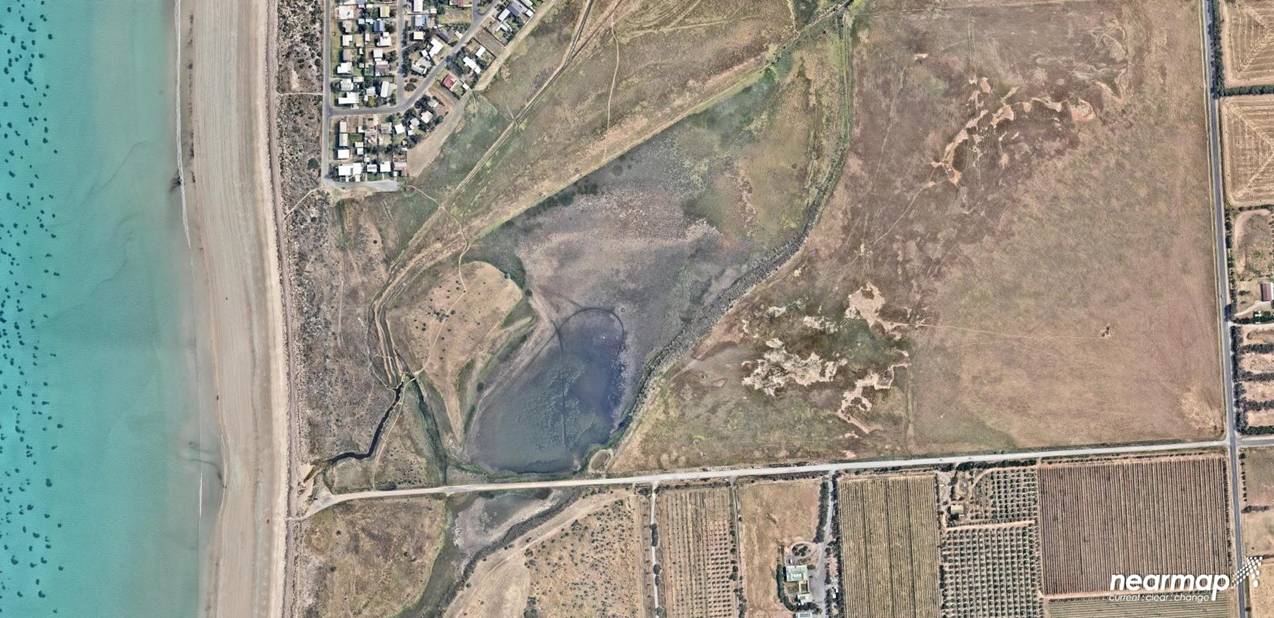
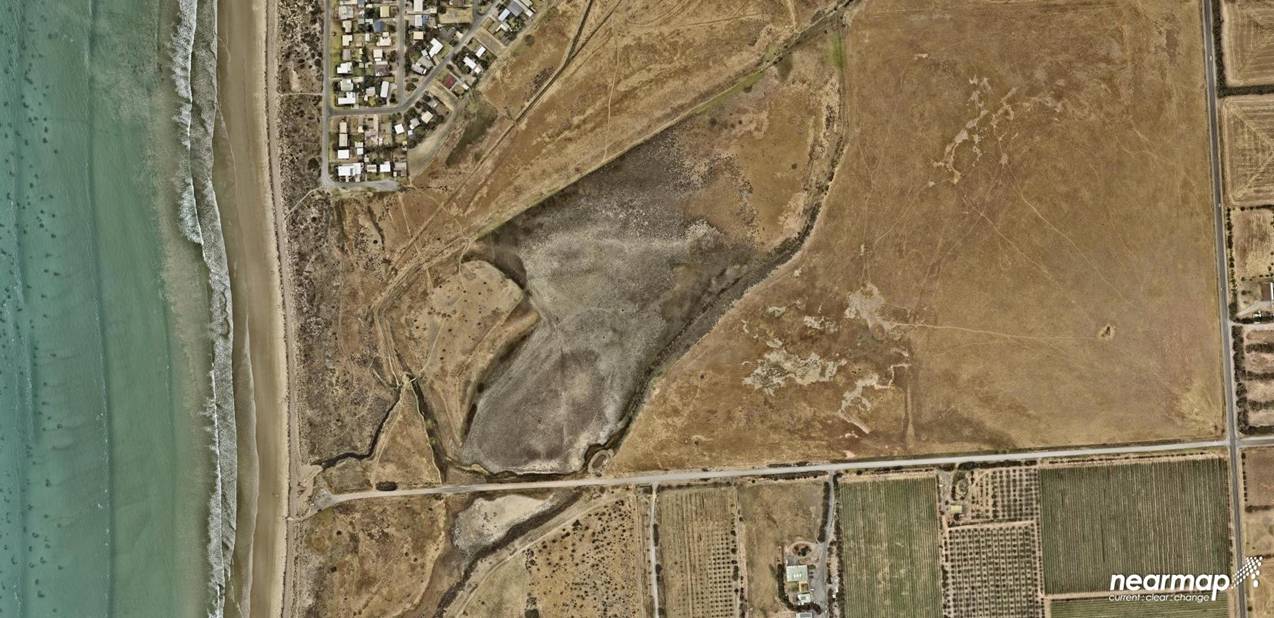
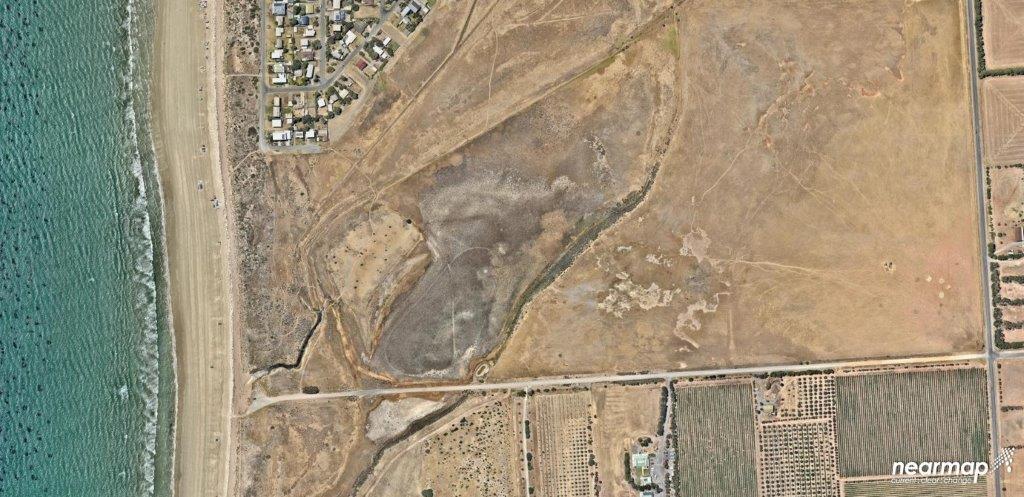
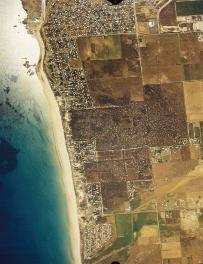
The aerial photograph shows the Aldinga Scrub with Aldinga Beach housing to the north (top of picture) and the area popularly known as Silver Sands to the south. The Washpool and the remnants of the Blue Lagoon appear at the bottom of the photograph.
Aldinga Scrub Conservation Park
"If we picture the area some 150 years ago when Europeans first arrived in the area, the present scrub stood much as it does now with tall Red Gums (Eucalyptus camaldulensis) in the top north-east corner standing in winter in up to 1 metre of water and with a shallow lagoon stretching almost half a kilometre northward.
Along the eastern boundary was a swamp, damp and boggy most of the year and developing to the south of the scrub into a large lagoon known as Blue Lagoon. The scrub was thus inaccessible for nearly 6 months of the year except from the higher north-west corner.”
“The Aldinga Scrub owes its present existence to its boggy nature which made it unsuitable for farming, and to the foresight and determined efforts of the Willunga Council to preserve the area. By 1968 the need to preserve native flora and fauna for its own value was becoming recognised and the conservation movement was gaining momentum.
The Willunga Council resolved not to allow further subdivision of the Aldinga scrub and in early 1968 refused an application for subdivision of a 10 acre (4 hectare) block for housing. This action gained active support from conservation bodies and concerned people.
Over a thirteen year period, 1969-1982, about 277 hectares were purchased at a book value of well over a million dollars. The State Planning Authority assumed control of the area which was fenced and provided with signs.
In November 1985 most of the vegetated area north of Norman Road was gazetted as the Aldinga Scrub Conservation Park."
(Excerpts from The Aldinga Scrub Conservation Park edited by E M Wollaston)
From 1985, Aldinga Scrub Conservation Park was managed by the relevant State Government authority. In 1991, an additional parcel of land on the northern boundary was purchased which brought the total area of the Park to approximately 300 hectares.
In 1987, the Friends of Aldinga Scrub was formed by a group of concerned community members to protect the Scrub and to lobby on its behalf. The Friends were affiliated with Friends of Parks Incorporated.
Aldinga Washpool
The Tjirbruke Dreaming Track & Cultural Revival
The Aboriginal name for the Washpool Lagoon was Wangkondananko, which means “Possum Place”, and associates the site with the curing and preparation of possum skins for the rugs and cloaks, which the Kaurna people of the Adelaide Plains were famous for. A Tjirbruke spring is located on the site and there are other Tjirbruke sites nearby, including the spring on the beach at Pt Willunga. The Tjirbruke Dreaming Track, which includes sites from Warriparinga (Marion) to Parawarank (Cape Jervis) and Brukunga, is the only dreaming track of the Kaurna to survive the European occupation. The Tjirbruke Spring and Washpool Lagoon are a focus of contemporary identity and future aspirations of a growing number of Aboriginal people, in a process of recovery and conciliation.
Discovery by European Settlers
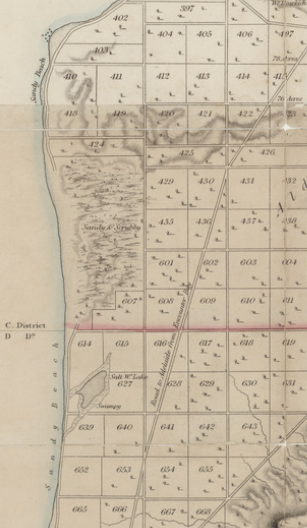
The Washpool from the survey of J McLaren 1840 (SLSA [BRG 42/120/28])
Cadastral map of country south of Adelaide with relief shown by hachures. Shows land sections from Aldinga Bay to Sellicks Beach, and eastwards to the Willunga hills.
Recent History
Moves by the then District Council of Willunga in the 1980s to establish a marina or canal estate on the site ran into huge community opposition, with the result that many pro-marina councillors were replaced by anti-marina, pro-conservation activists and the Willunga Council was totally transformed. After intervention by the state government the project was dropped, and the community began to address the need to protect this unique and significant site.
Decades of Community Concern and Activism
The table below lists some significant events and milestones concerning the Washpool Lagoon since the early 1970s.
1971 Minister for Local Government announced the government’s intention to extend the Aldinga Reserve (Aldinga Scrub Conservation Park) to 738 acres (299 hectares) to include the Blue Lagoon and Washpool, as well as a considerable peripheral buffer zone to the East and North-East, thus creating a Major District Open Space (now MOSS) under the Metropolitan Development Plan.
1977 B C Tonkin & Associates commissioned by the State Planning Authority to report on the reinstatement of the Washpool & Blue Lagoons. Their report found that reinstatement of the Washpool Lagoon was entirely feasible but the Blue Lagoon was too silted to recover.
1984 Stories began to circulate that the Washpool Lagoon was to be developed as a marina.
1986 As part of Jubilee 150 celebrations, Georgina Williams Ngankiburka Mekauwe initiated action, joining with the Tjirbruke Committee, to lead a project which identified places, including the Washpool Lagoon at Sellicks Beach, where the Ancestor Tjirbruki rested, reflected & wept as he carried the body of his murdered nephew over country, his tears leaving springs for the people
1986 The Tjirbruki/Tjilbruke Dreaming Track was dedicated by Kaurna Elders Auntie Doris Graham and Uncle Willie Williams and the Hon Susan Lenehan MP, at Anderson Avenue Reserve, Port Noarlunga on 18 December 1986.
1988 Anti-marina rallies attracted 2000 people opposed to the development.
1989 (February) Deputation of activists, including Kaurna Elders Bill & Georgina Williams, met with Minister for the Environment Susan Lenehan seeking her intervention in the matter.
1989 (April) Marina development abandoned by the Willunga Council.
1989 (October) Friends of the Earth Willunga Branch put forward their 'Aldinga Scrub & Washpool Concept Management Plan', which included moving the proposed sewerage plant from its intended site at Hart Road to its present site on Plains Road, and restoring the extensive wetlands on the eastern side of the Aldinga Scrub.
1995 Field Naturalists Society of South Australia, in letter to Willunga Council, called for incorporation of Washpool area into Aldinga Scrub Conservation Park.
1995 Willunga Council established a Washpool Restoration Committee.
1996 Kinhill Engineers engaged to investigate options
1997 The Washpool Reinstatement Concept Plan (option 2) endorsed by the Willunga Council.
1997 Willunga Council merged with Happy Valley and Noarlunga Councils, which brought the Washpool Lagoon into the new City of Onkaparinga.
2001 (June) Minister Di Laidlaw committed the State Government to the Continuous Coastal Park Concept and awarded the newly created City of Onkaparinga $70,000 for works in the Washpool park area.
2001 City of Onkaparinga abandoned plans to reinstate the Washpool Lagoon, subject to a re-thinking of the concept, site management & the establishment of a memorandum of understanding with the Kaurna People, as the Aboriginal “owners” of the park.
2001 (October) Washpool Lagoon – SA072 listed in the Australian Government’s Directory of Important Wetlands in Australia.
2007 (August) City of Onkaparinga & Planning SA released the Washpool Lagoon & Environs Management Plan for discussion with the State Government departments that own adjoining land to the central lagoon area, which is under Council ownership
2008 (early) Agreement reached on the concept by all parties, with endorsement by the Kaurna Elders.
2008 (June) Community Reference Group & the Washpool Lagoon Implementation Steering Group established to implement the plan.
2009 Talks between the City of Onkaparinga and the various State Government departments stalled, because major earthworks proposed were in the Council owned area of the Washpool. State Departments unwilling to provide funding for what they saw as a council project. Council didn’t have the $5 million to proceed. Volunteers & contractors continued to work on weed control on site. Volunteers also restored the original weir that was leaking and raised swans nests that were destroyed by early winter rains.
2014 Friends of Willunga Basin and Willunga Environment Centre, as part of World Environment Day, organized a display celebrating the Washpool as a site of outstanding importance to the traditional custodians because of the Tjirbruki Dreaming Track connection and a place of outstanding natural beauty and ecological significance. Georgina Williams Ngankiburka Mekauwe welcomed over 50 people to Spirit of Place. Along with the display and talks at the Sellicks Community Hall on 15 June, a guided walk around the Washpool was conducted.
2015 First macroinvertebrate survey by YACCA, the Willunga youth conservation action group.
2016 Environment Minister Ian Hunter committed to consolidating disparate government land titles in Washpool area into a single title, for eventual incorporation into the Aldinga Scrub Conservation Park. To be a 2 year process.
2016 On 18 December, at Witton Bluff, Port Noarlunga, a commemoration gathering was held to mark 30 years since the placement of cairns at important sites along the Tjirbruki Dreaming Track, and to launch the restoration process for these cairns all the way down the coast from Marion to Cape Jervis. This was followed by afternoon tea at Sauerbier House.
2017 (January) 109 people attended Aldinga Washpool Forum at Sellicks Community Hall. The forum was addressed by speakers with expertise in flora and fauna of the Washpool, hydrology of the Washpool, coastal management and future projects. You can access videos of the proceedings here.
2021 (January) Engagement of wetland conservation and restoration ecologists Nature Glenelg Trust to explore options for rehabilitation of the Washpool
Historic Publications
Dating back to 1935, numerous reports have been prepared about the Aldinga Washpool. These include archaeological reports, studies into the flora and fauna (particularly birdlife), and investigations into the possible reinstatement of the Aldinga Washpool to restore the site to its pre-European status.
You can access all the documents held in the Aldinga Washpool document collection by clicking here: Washpool documents
You can access videos of the proceedings of the Community Forum in 2017 by clicking here: Community Forum
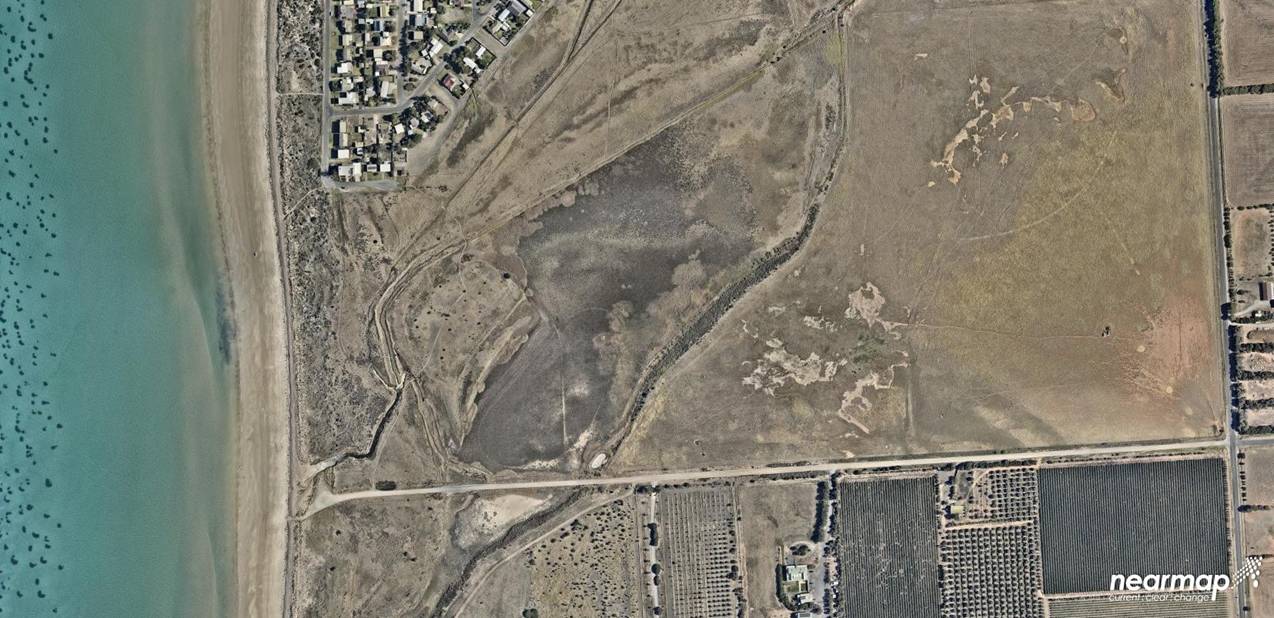
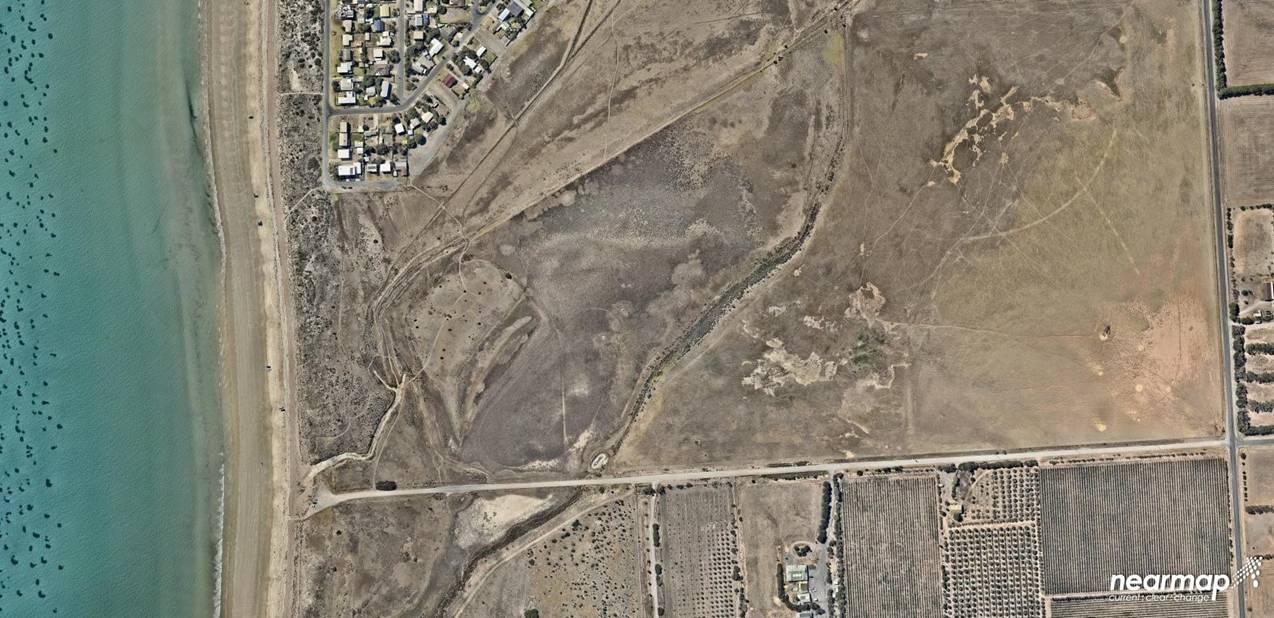
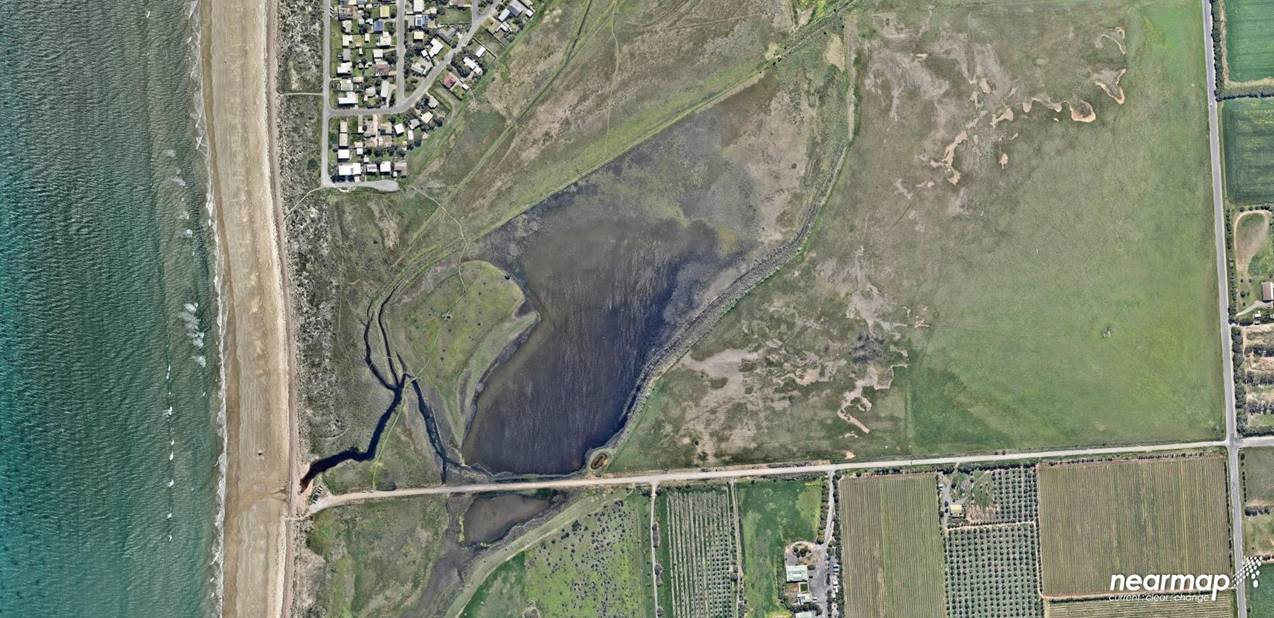
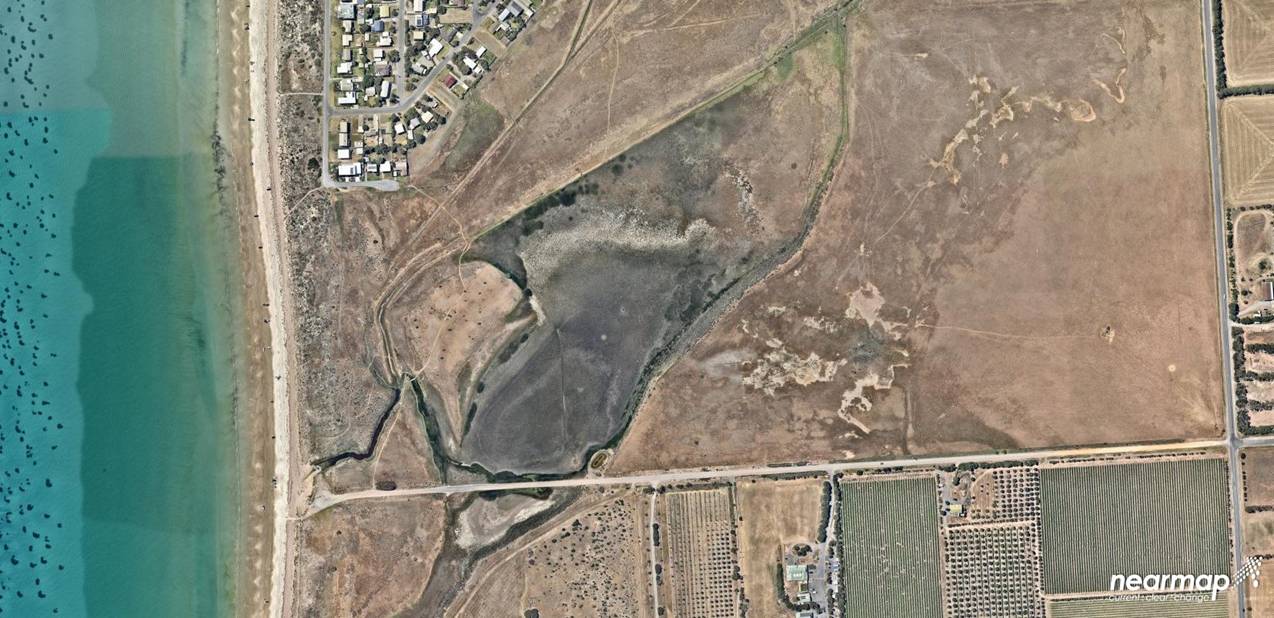
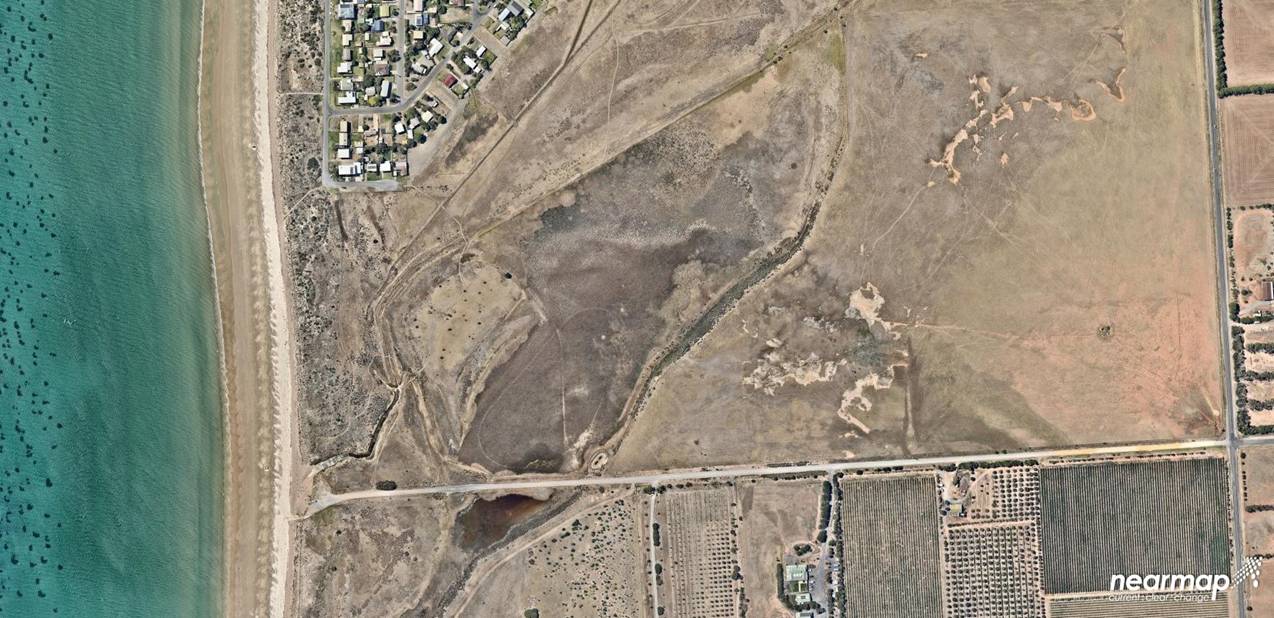
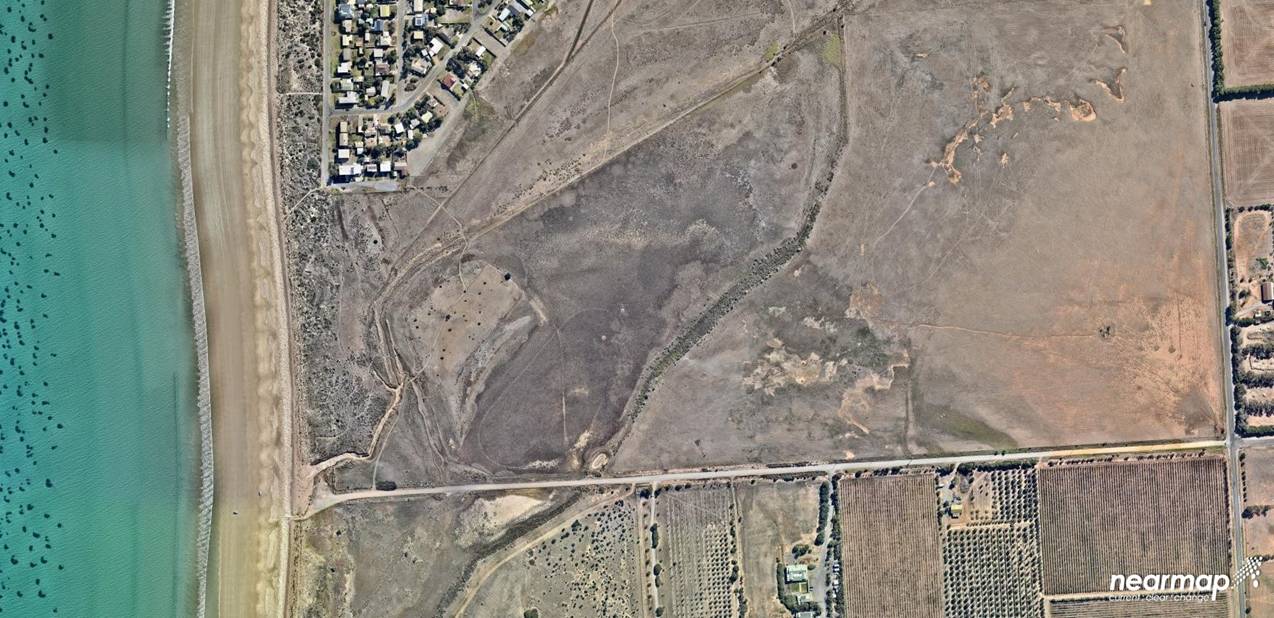
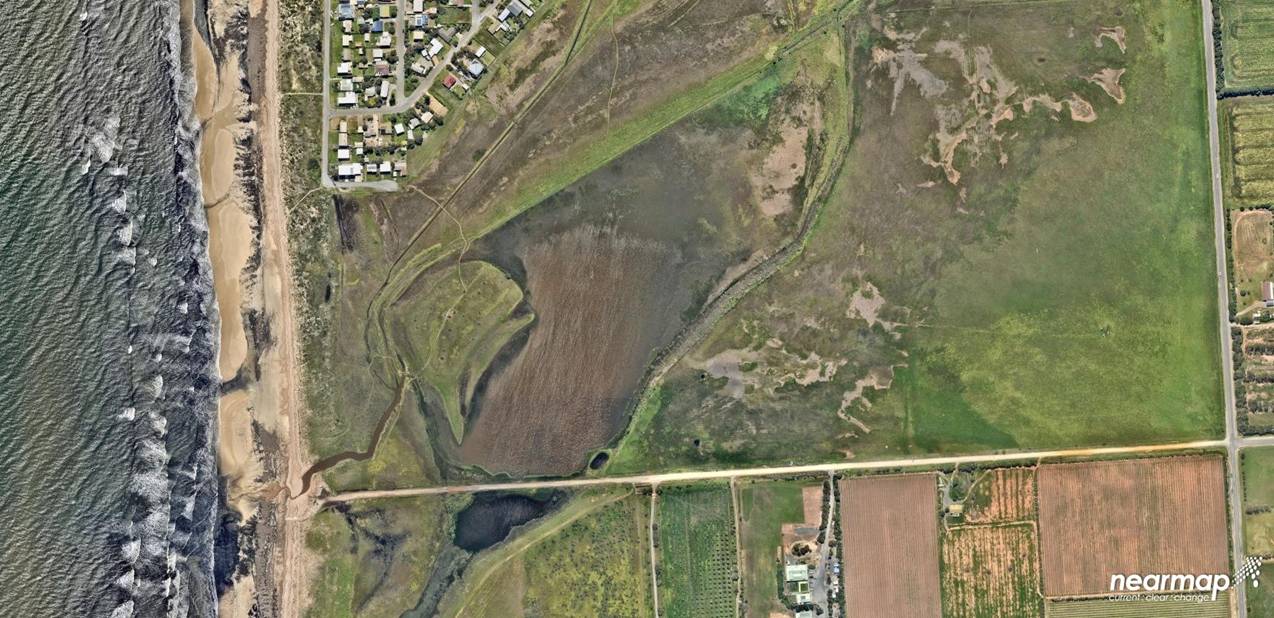
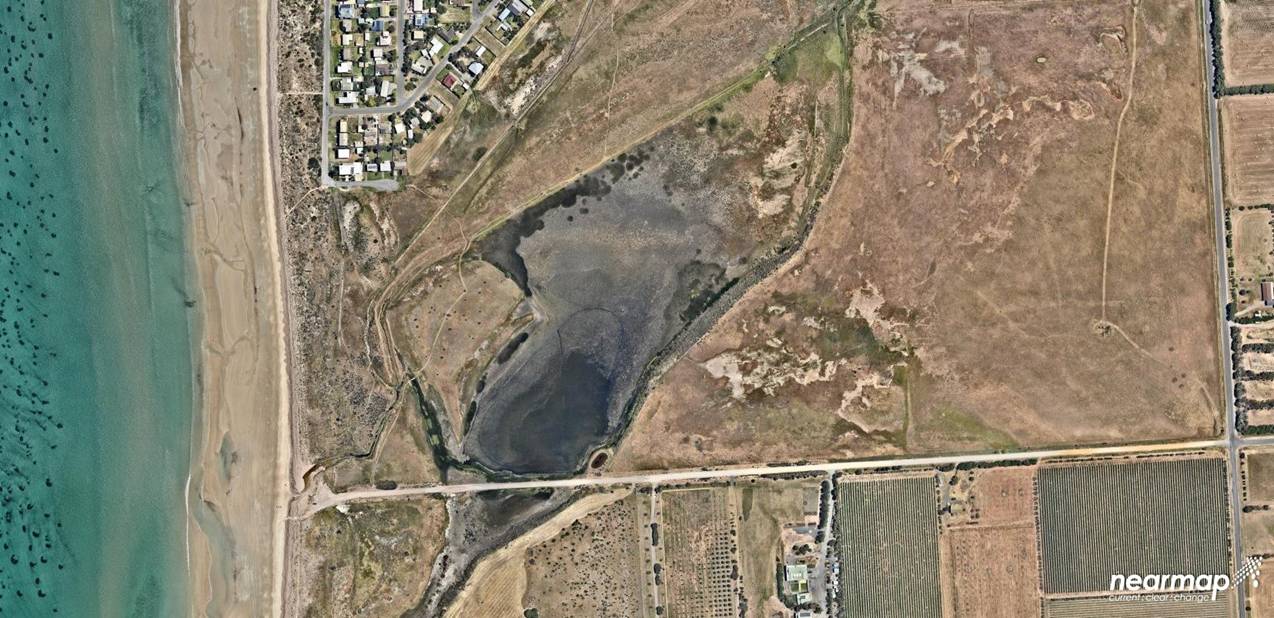
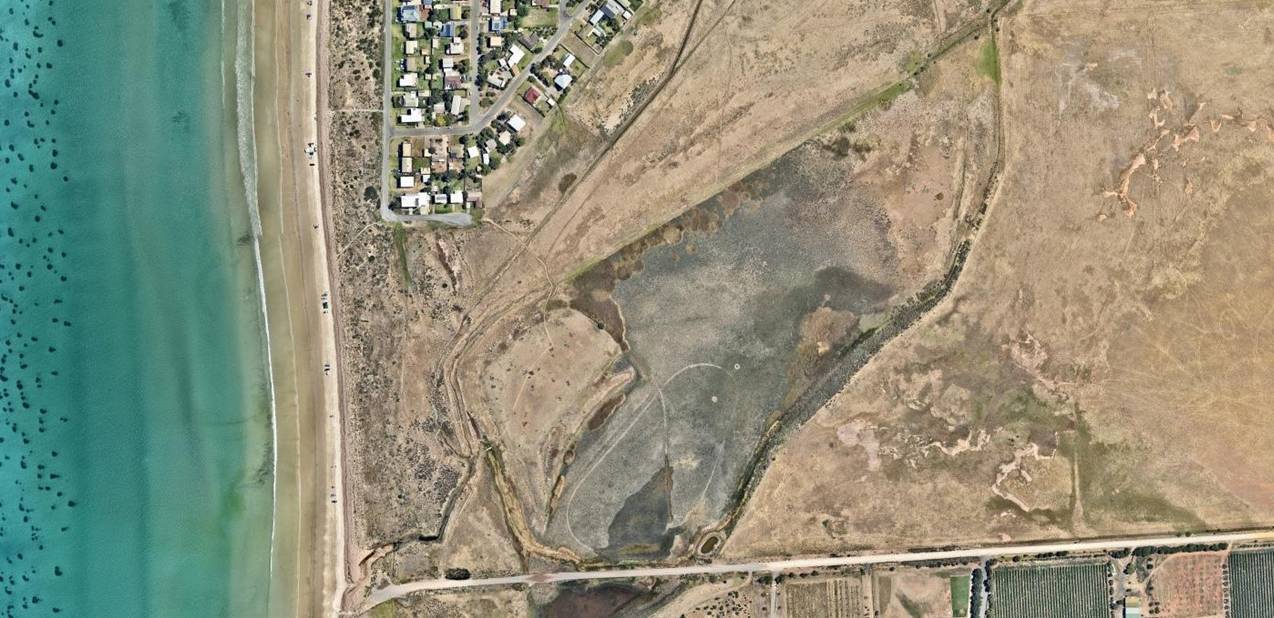
Seasonal Variations of Aldinga Washpool